

Figure AI’s $40 Billion Bet: Hype, Humanoids, and a High‑Stakes Valuation Shake-Up
4 min read
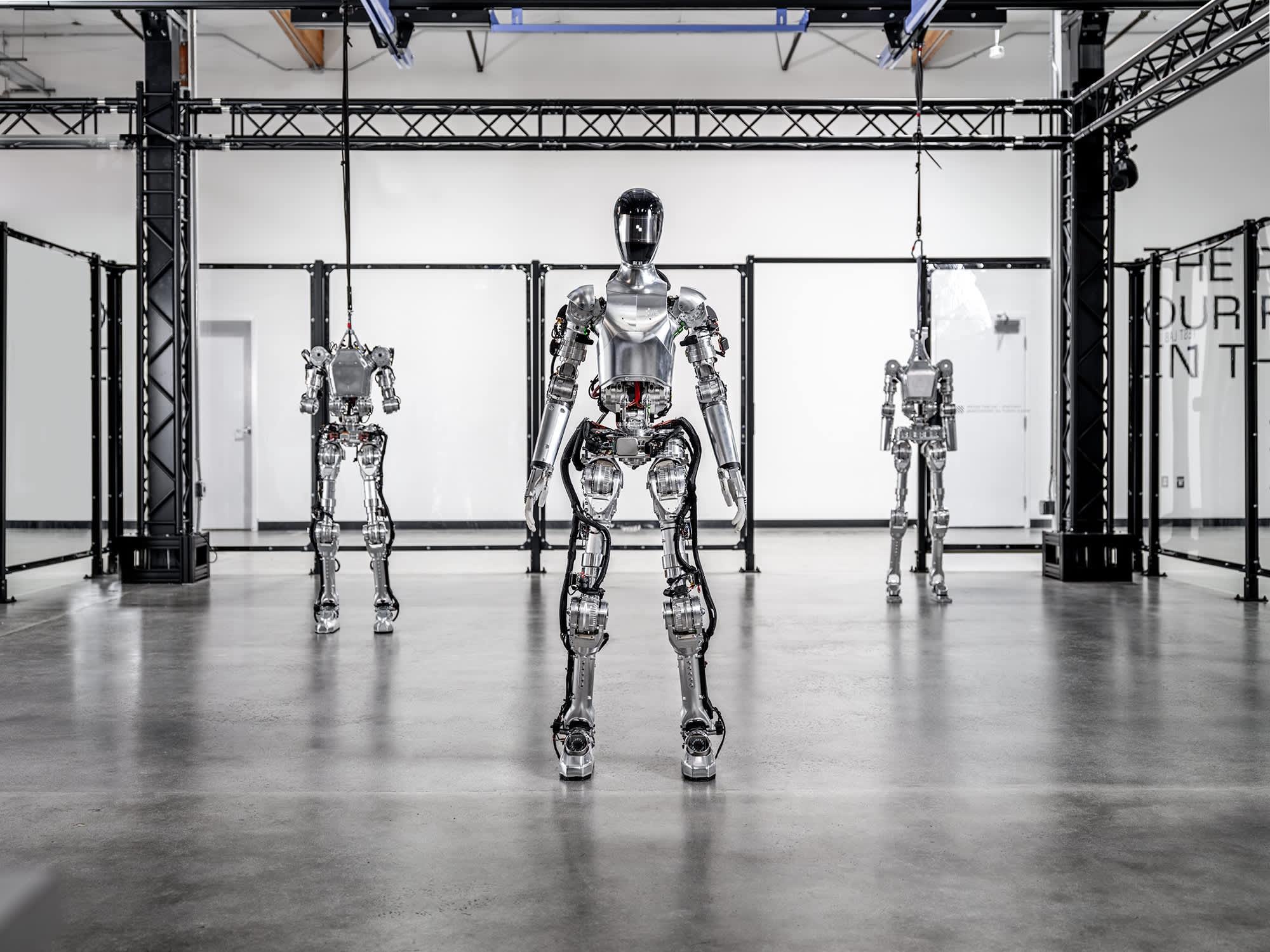
Table of Contents
Figure AI's $40 Billion Valuation Pitch: The Big Bet on Humanoid Robots
Figure AI, a three-year-old robotics startup, is seeking to raise approximately $1.5 billion at a valuation close to $40 billion, according to materials shared with prospective investors. The company projects that it could deploy more than 200,000 humanoid robots by 2029 and generate up to $9 billion in annual revenue within that timeframe.
Invest in top private AI companies before IPO, via a Swiss platform:
Swiss Securities | Invest in Pre-IPO AI Companies
Own a piece of OpenAI, Anthropic & the companies changing the world. Swiss-regulated investment platform for qualified investors. Access pre-IPO AI shares through Swiss ISIN certificates.
 SmartProfit Finder AG
The company’s core proposition centers on the development of autonomous, human-shaped robots designed for use in industrial environments and, eventually, in broader human settings. Figure AI positions itself as a company aiming to commercialize general-purpose humanoid robotics, an area that has historically faced substantial technical and economic challenges.
The $40 Billion Question
The proposed valuation of approximately $39.5 billion places Figure AI above several long-established industrial companies and near the upper tier of private technology firms. This valuation is being sought despite the company reporting no revenue in the previous year and having only a limited number of robots deployed in trial environments.
Investor materials reviewed describe a revenue trajectory that rises from minimal commercial activity to $9 billion by 2029. To support this outlook, Figure AI presents itself as an early entrant into a potentially large new market: humanoid robots capable of operating in environments designed for human workers with limited customization.
BMW: The Flagship Customer Story
A central element of Figure AI’s fundraising narrative is its relationship with BMW. The company has released videos and public statements showing its humanoid robots operating within a BMW manufacturing facility in South Carolina.
BMW has confirmed that Figure AI robots are present at the site and have been tested on tasks such as grasping and moving automotive components. Initial trials took place primarily during nonproduction hours, with subsequent updates indicating expanded testing that includes limited use during active production periods.
For investors, the BMW relationship serves as an early validation signal that a major industrial manufacturer is willing to evaluate humanoid robots in a real factory setting.
The Hype Machine: Most Sought-After Private Stock
Founder Brett Adcock has actively promoted Figure AI’s fundraising momentum, including public claims that the company’s shares are among the most in-demand in the private secondary market. Secondary-market brokers and special-purpose investment vehicles have marketed access to Figure AI shares to investors, often highlighting comparisons with other high-profile private technology companies.
Some marketing materials frame the valuation in relation to other humanoid robotics initiatives, including Tesla’s Optimus program, to contextualize the proposed pricing. Minimum investment thresholds and pooled investment structures have been used to broaden participation among smaller institutional and high-net-worth investors.
The Reality Behind the Pitch
Investor diligence materials provided by Figure AI reportedly emphasize product demonstrations, founder presentations, and conceptual roadmaps. According to individuals familiar with the process, the data room primarily includes videos, technical descriptions, and high-level projections rather than audited financial statements or detailed revenue breakdowns.
This has led some potential investors to note the contrast between the scale of the valuation being sought and the limited availability of traditional financial disclosure typically associated with later-stage funding rounds.
A Founder-Driven Moonshot
Figure AI’s fundraising effort is closely associated with its founder, Brett Adcock. Adcock previously founded and exited a recruiting technology company and later co-founded an electric aviation startup that went public via a special-purpose acquisition company.
At Figure AI, Adcock has emphasized a vertically integrated approach to robotics, combining hardware, software, and artificial intelligence development within a single organization. The company has attracted early backing from prominent technology and investment firms, including Microsoft, Nvidia, and Jeff Bezos’s investment vehicle.
Figure AI has also ended a previously disclosed collaboration with OpenAI, with the company stating that it has developed core robotics AI capabilities internally.
BMW Partnership & Real-World Robot Deployment
Figure AI’s robots have moved beyond laboratory environments into industrial testing at BMW’s South Carolina facility. According to public statements, the initial deployment involved three robots used primarily for evaluation and training.
BMW later confirmed that additional robots were introduced and that testing expanded to include both nonproduction and limited production scenarios. Videos released by Figure AI show robots performing structured assembly-related tasks under controlled conditions.
These deployments remain at an early stage and are positioned as evaluation programs rather than full commercial rollouts.
Fundraising Tactics and Secondary-Market Hype
The company’s fundraising strategy combines long-term projections with selective real-world demonstrations. The presence of a recognized industrial partner, combined with secondary-market demand for shares, has contributed to increased investor interest.
Secondary-market activity has played a role in shaping perceptions of value, as rising interest in private shares can reinforce valuation expectations ahead of formal funding rounds. This dynamic is increasingly common in late-stage private markets, particularly in sectors associated with artificial intelligence.
Investor Jitters: Can the Numbers Keep Up With the Hype?
Despite strong investor interest, some market participants have expressed concerns regarding the gap between projected outcomes and current operating metrics. The absence of audited financials and the early stage of commercial deployment have prompted questions about execution risk, capital requirements, and the timeline for revenue realization.
These concerns reflect broader discussions within the investment community about valuation discipline in emerging AI and robotics sectors, where long-term potential is often weighed against near-term visibility.
Why This Pitch Matters
Figure AI’s fundraising effort highlights how valuations in the AI and robotics sector are increasingly shaped by long-term narratives rather than current financial performance. The company’s pitch rests on the assumption that humanoid robots will become a scalable solution to labor constraints in industrial environments.
Whether this vision translates into sustained commercial success remains uncertain. However, the fundraising process itself illustrates how capital is currently being allocated toward ambitious AI-driven hardware platforms, with investors evaluating not only existing results but also the potential to define entirely new markets.