

Google and Meta Team Up to Challenge Nvidia’s AI Dominance by Supercharging TPUs for PyTorch
3 min read
Table of Contents
Google's AI Chips vs. Nvidia: A Software War in Disguise
Google's AI Chips vs. Nvidia: A Software War in Disguise
The Strategic Shift from Hardware to Software Dominance
The artificial intelligence hardware market is entering a new phase as Google expands efforts to improve software compatibility between its Tensor Processing Units (TPUs) and widely used AI development frameworks. A central element of this strategy is TorchTPU, a project aimed at enabling TPUs to run PyTorch workloads more efficiently.
Invest in top private AI companies before IPO, via a Swiss platform:
Swiss Securities | Invest in Pre-IPO AI Companies
Own a piece of OpenAI, Anthropic & the companies changing the world. Swiss-regulated investment platform for qualified investors. Access pre-IPO AI shares through Swiss ISIN certificates.
 SmartProfit Finder AG
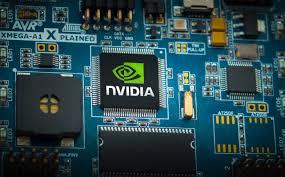
Nvidia has historically benefited from close integration between its GPUs and CUDA, its proprietary software platform. This integration has made Nvidia hardware the default choice for many developers using frameworks such as PyTorch, which automatically optimize for CUDA-enabled GPUs. As a result, many AI applications have been developed with Nvidia hardware as the assumed execution environment.
Google, by contrast, has traditionally relied on internal frameworks such as JAX and compiler technologies like XLA to optimize TPU performance. While effective for internal use, this approach limited external adoption, as most commercial AI developers build their systems using PyTorch. The difference in software ecosystems has been a key factor influencing hardware selection in the AI market.
TorchTPU: Breaking the Bottleneck
TorchTPU is designed to reduce the friction involved in running PyTorch workloads on TPUs. By improving compatibility at the framework level, the project aims to allow developers to migrate existing models to TPUs with fewer code changes and lower engineering effort.
Meta’s involvement adds further significance to the initiative. As a primary contributor to PyTorch, Meta has an interest in ensuring the framework operates efficiently across multiple hardware platforms. Improved TPU support aligns with Meta’s broader objective of expanding infrastructure options and managing AI computing costs by reducing reliance on a single hardware provider.
If successful, TorchTPU could lower barriers for organizations evaluating alternative AI accelerators, allowing them to assess TPUs based on performance and cost considerations rather than software compatibility constraints.
The Battle for Software Control
Competition in the AI hardware market increasingly centers on software ecosystems rather than raw chip specifications. Nvidia’s position has been reinforced by its long-standing software integration, which has influenced developer workflows and infrastructure decisions.
Google’s approach reflects a shift toward aligning its hardware offerings with the tools already used by the broader AI community. TPUs, which were initially developed for internal workloads, have become a growing component of Google Cloud’s external offerings. Google has expanded TPU availability to cloud customers and, in some cases, has begun supplying hardware directly to enterprise data centers.
This change indicates a broader effort to position TPUs as a viable option for commercial AI workloads rather than a specialized internal solution.
Ecosystem Strategy and Market Transformation
Google has indicated that parts of the TorchTPU project may be released as open-source software, consistent with an ecosystem-driven strategy aimed at encouraging wider adoption. By reducing technical barriers, the company seeks to increase developer familiarity with TPUs and integrate them more deeply into existing AI workflows.
Enterprise customers have frequently cited software compatibility as a primary consideration when evaluating alternative AI accelerators. TorchTPU directly addresses this concern by improving PyTorch support, which could make TPUs more practical for organizations already invested in PyTorch-based systems.
Internal organizational changes further highlight the importance of AI infrastructure within Google. Leadership responsibility for AI infrastructure now reports directly to senior management, reflecting its role in supporting both internal products and Google Cloud services.
Rewriting the Rules of AI Hardware Competition
Google’s strategy illustrates a broader shift in AI infrastructure competition, where success increasingly depends on software accessibility and developer adoption. Rather than requiring developers to adapt to proprietary tools, the company is focusing on enabling its hardware to operate within established frameworks.
Collaboration between Google and Meta also points to a more hardware-agnostic future for AI development. As PyTorch improves support for multiple accelerator platforms, developers may gain greater flexibility in selecting infrastructure based on performance, availability, and cost.
This evolution suggests a gradual move toward a more diversified AI hardware landscape, where multiple vendors compete within shared software ecosystems. For cloud providers and enterprise customers, such changes could expand infrastructure choices while reducing dependency on a single hardware platform.