

Tesla Investors Back Massive Musk Pay Deal Tied to AI, Robots, and Trillion‑Dollar Growth
3 min read
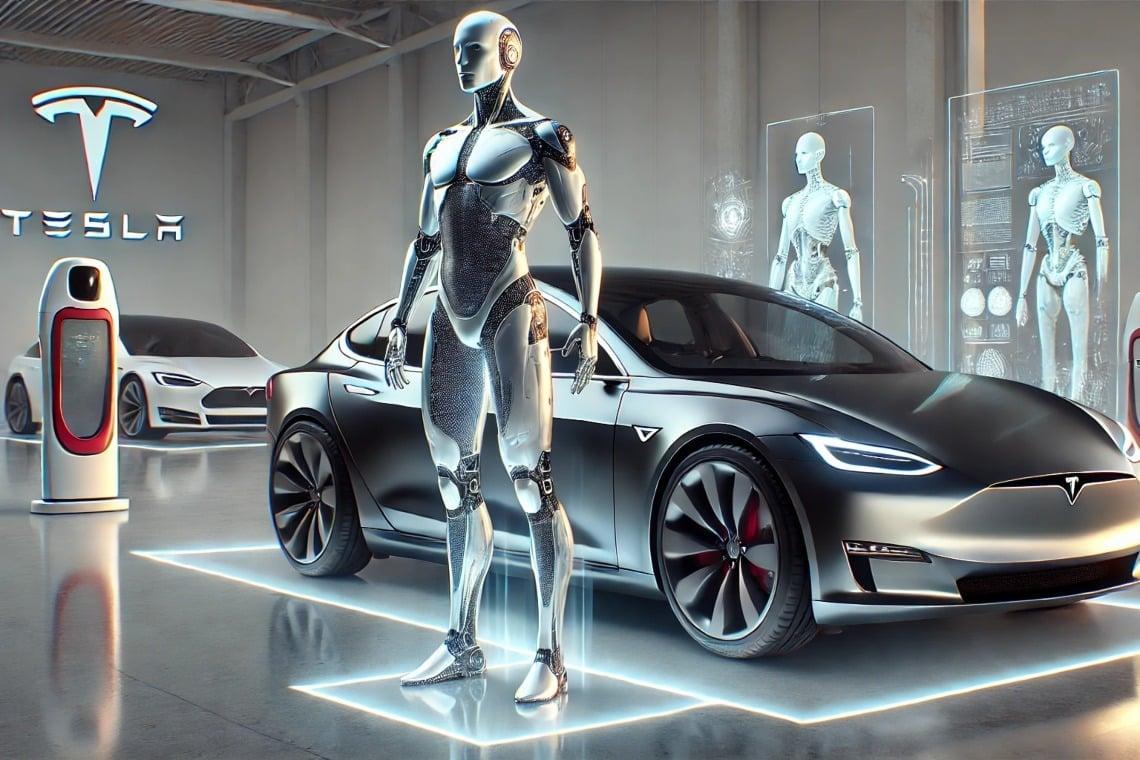
Table of Contents
Tesla Shareholders Approve Musk's Revolutionary $1 Trillion Pay Package
Tesla shareholders have approved a new long-term compensation plan for Elon Musk that could, under specific performance conditions, result in stock awards valued at up to $1 trillion. More than 75% of votes cast supported the proposal, reflecting shareholder approval of a compensation structure closely tied to Tesla’s future market performance and operational milestones.
Invest in top private AI companies before IPO, via a Swiss platform:
Swiss Securities | Invest in Pre-IPO AI Companies
Own a piece of OpenAI, Anthropic & the companies changing the world. Swiss-regulated investment platform for qualified investors. Access pre-IPO AI shares through Swiss ISIN certificates.
 SmartProfit Finder AG
The vote took place at Tesla’s annual shareholder meeting in Austin, Texas. During the event, Musk outlined Tesla’s long-term strategic direction, emphasizing the company’s focus on artificial intelligence, autonomous vehicles, robotaxi services, and humanoid robotics. Company representatives stated that the compensation plan is intended to align executive incentives with long-term shareholder value creation.
Performance-Driven Structure with Astronomical Targets
The approved compensation package is structured around 12 performance-based tranches. Each tranche becomes available only if Tesla meets predefined market capitalization and operational benchmarks over an extended time horizon. If all milestones are achieved, Musk’s ownership stake could increase from approximately 15% to around 25%.
According to disclosed terms, Tesla would need to grow its market capitalization from roughly $1.5 trillion to approximately $8.5 trillion over the next decade for the full package to vest. Operational benchmarks include targets related to autonomous driving deployment, robotaxi adoption, Full Self-Driving subscriptions, and the commercialization of humanoid robots.
For each completed tranche, Musk would receive stock awards equivalent to about 1% of Tesla’s outstanding shares at the time of grant. While voting rights would apply upon award, the shares are subject to long vesting periods ranging from 7.5 to 10 years, restricting Musk’s ability to sell them and tying compensation to long-term company performance.
Strategic Transformation from Automaker to AI Powerhouse
Tesla has increasingly positioned itself as an artificial intelligence and robotics company in addition to its automotive operations. Management has described a long-term strategy focused on autonomous transportation, robotaxi networks, and general-purpose humanoid robots designed for industrial and commercial use.
As part of this strategy, shareholders also voted on a proposal allowing Tesla’s board to invest in xAI, a separate artificial intelligence company founded by Musk. More votes supported than opposed the proposal, indicating shareholder recognition of AI development as a strategic component of Tesla’s future business model.
Company disclosures suggest Tesla aims to generate recurring revenue streams from software-based services, including autonomous driving subscriptions and robotaxi operations, alongside hardware sales.
Fierce Governance Debate and Legal Challenges
The compensation package generated significant debate among investors and governance experts. Proxy advisory firms, including Institutional Shareholder Services, opposed the plan, citing concerns about board independence, incentive scale, and the difficulty of objectively evaluating such large compensation structures.
Some institutional investors argued that the targets could either prove insufficiently demanding or, conversely, unrealistically ambitious, potentially weakening incentive effectiveness. Supporters of the plan countered that the structure ensures Musk receives no compensation unless shareholders benefit from substantial increases in company value.
Governance concerns are heightened by ongoing legal proceedings related to Musk’s 2018 compensation plan. A Delaware court previously ruled that the approval process for the earlier package was flawed due to insufficient board independence. Tesla has appealed that decision to the Delaware Supreme Court while proceeding with the newly approved compensation framework.
A Trillion-Dollar Bet on the Future
The approved compensation plan represents a long-term alignment between Musk’s personal financial outcomes and Tesla’s strategic objectives. The structure requires Tesla to achieve large-scale deployment of autonomous vehicles, robotaxi services, and humanoid robots before compensation milestones are realized.
The extended vesting periods ensure that any awarded shares remain tied to Tesla’s sustained performance rather than short-term market movements. Tesla’s board has stated that the package is designed to retain leadership continuity while incentivizing execution on ambitious technological and operational goals.
Tesla Chair Robyn Denholm noted that the company’s strategy involves pursuing large-scale technological initiatives with long development cycles. Shareholder approval of the compensation plan signals support for this approach, though its ultimate effectiveness will depend on Tesla’s ability to deliver commercially viable AI-driven products at scale.
The outcome of this strategy will shape both Musk’s compensation and Tesla’s long-term position in the global automotive, artificial intelligence, and robotics markets.
https://www.wsj.com/business/autos/elon-musk-tesla-pay-package-vote-9abd5a73