
Tesla’s Optimus Robot: From Sci‑Fi Sideshow to Affordable Factory and Home Worker
3 min read
Table of Contents
Tesla's Optimus Robot: A Comprehensive Analysis
Tesla's Optimus Robot: A Comprehensive Analysis
Introduction and Overview
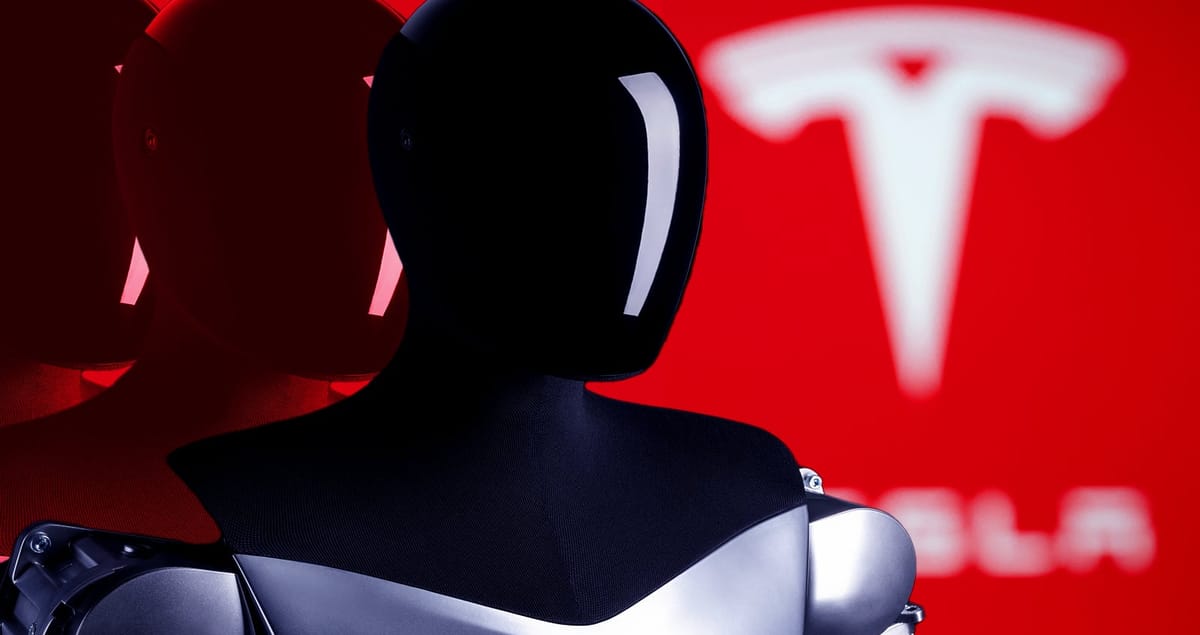
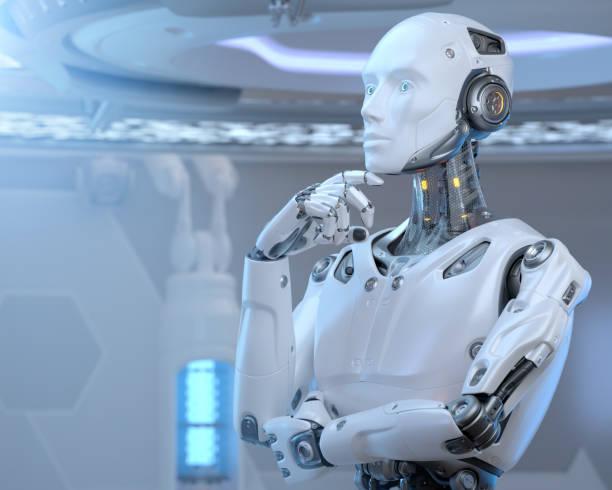
Tesla's Optimus represents a bold leap from electric vehicles into humanoid robotics, designed to look and move like a person with two arms, hands, and legs that enable human-like interaction with the world. This general-purpose robot combines artificial intelligence with advanced sensor networks to see, understand, and navigate its surroundings in real-time, essentially repurposing the same technology that powers Tesla's self-driving capabilities for robotic applications.
Invest in top private AI companies before IPO, via a Swiss platform:
Swiss Securities | Invest in Pre-IPO AI Companies
Own a piece of OpenAI, Anthropic & the companies changing the world. Swiss-regulated investment platform for qualified investors. Access pre-IPO AI shares through Swiss ISIN certificates.
 SmartProfit Finder AG
Core Technology and Capabilities
At its heart, Optimus functions as a computer on legs, utilizing AI software that learns from massive datasets rather than following rigid programming. The robot's sensor array, including cameras and detectors, creates a three-dimensional understanding of its environment, feeding constant information about distances, surfaces, and obstacles. This enables Optimus to walk, lift objects, sort materials, and navigate various terrains while adapting to changing conditions instantly without human reprogramming.
The navigation system draws heavily from Tesla's self-driving experience, allowing the robot to map environments, locate obstacles, and choose efficient paths. When conditions change—such as moved objects or people entering its workspace—Optimus can recalculate routes immediately and continue operating autonomously.
Current and Potential Applications
Industrial environments represent Optimus' initial deployment target, where the robot could handle repetitive, dangerous, or exhausting tasks including moving parts, sorting items, and managing heavy loads. Its human-like form factor allows operation in spaces designed for human workers without requiring infrastructure modifications.
Beyond factories, Tesla envisions household applications where Optimus could assist with basic chores and daily activities. The robot's flexibility stems from its software-driven approach—one unit could potentially be retrained for multiple tasks through updates, making physical work programmable like software.
Production Timeline and Economics
Tesla targets 2025 for production commencement with a projected cost under thirty thousand dollars per unit. This pricing strategy aims to transform Optimus from a luxury gadget into an affordable digital employee that works continuously, requires no benefits, and can be upgraded through software updates. The sub-thirty-thousand-dollar price point positions the robot competitively against human labor costs in many applications.
Market Challenges and Skepticism
Despite the compelling vision, significant skepticism surrounds Optimus' commercial viability. Industry analysts question the timeline feasibility, actual demand levels, and the robot's ability to achieve true general-purpose functionality beyond controlled demonstrations. The transition from prototype to dependable, widely-deployed product represents the most challenging development phase.
Key concerns include the gap between narrow, specific task performance and genuine general-purpose capability. Many observers worry that Optimus may become a niche industrial tool rather than the mass-market helper Tesla envisions. Historical precedent shows that ambitious hardware and AI projects frequently experience delays, cost overruns, and performance shortfalls.
Investment Implications
For investors, Optimus represents a classic high-risk, high-reward scenario. Successful commercialization could open entirely new revenue streams and transform labor-intensive industries. However, extended timelines, weaker-than-expected demand, or limited functionality could significantly reduce financial returns compared to the ambitious vision.
The robot's disruptive potential lies in combining advanced capability with accessible pricing, potentially enabling businesses to deploy robotic labor at scale like adding computers or smartphones—one unit at a time, powered by continuously improving software intelligence.
Future Outlook
Tesla's approach leverages its experience in AI, sensors, and large-scale manufacturing to potentially revolutionize humanoid robotics similar to its impact on electric vehicles. The company aims to make advanced robotics a mass-market product, fundamentally changing how physical work is performed across industries and potentially households.
Success depends on Tesla's ability to deliver on ambitious timeline and cost targets while achieving the reliability and versatility necessary for widespread adoption. The story of Optimus has evolved beyond proving technical feasibility to demonstrating sustainable commercial viability in real-world applications.
Tesla’s Robot, Optimus: Everything We Know | Built In
Created by Tesla, Optimus is a humanoid robot that possesses two arms, hands and legs for interacting with objects and navigating different environments.
 Jacob Biba