

SpaceX IPO Frenzy: Record-Breaking Listing Draws More Demand Than Shares
3 min read
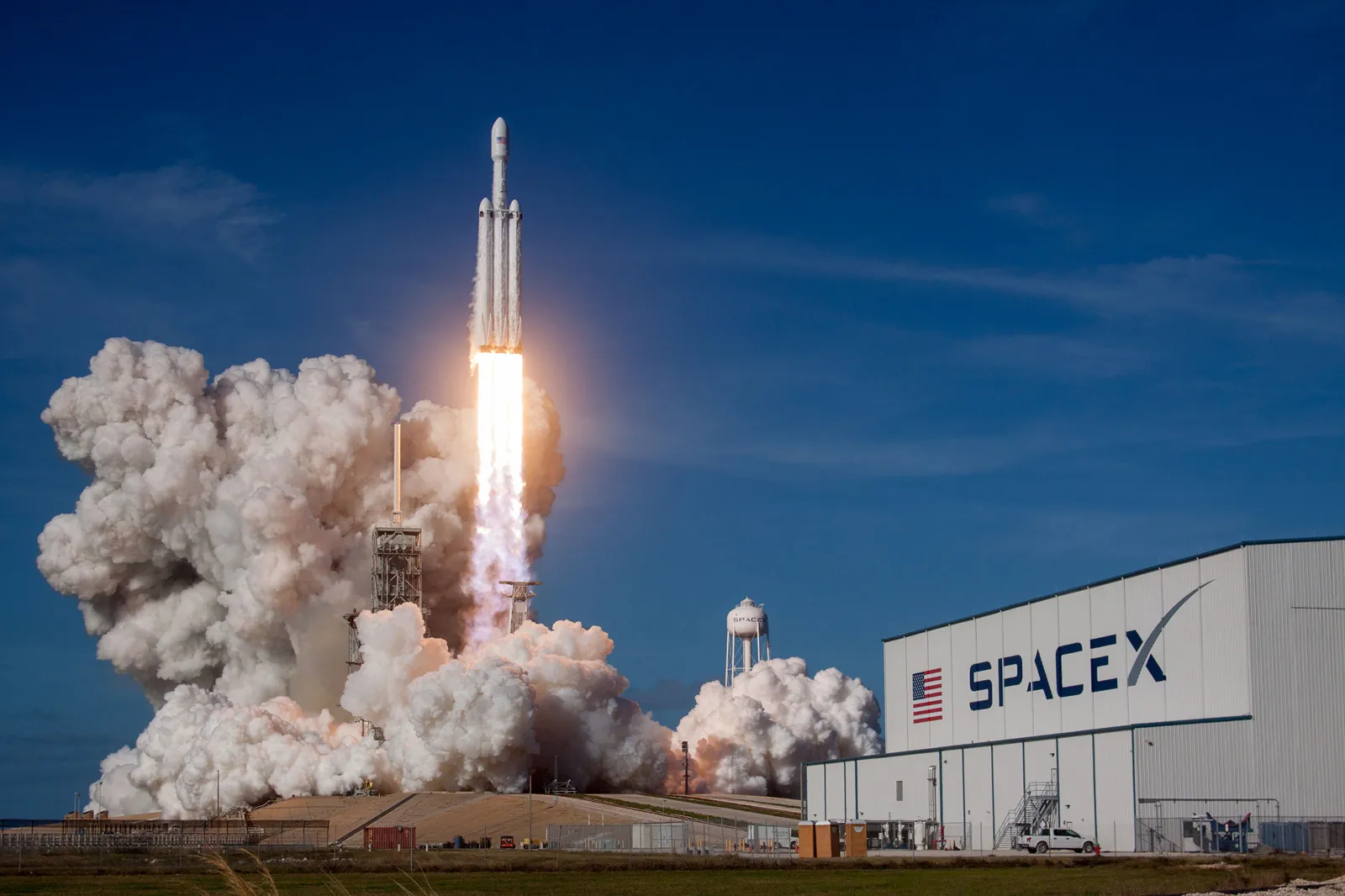
Table of Contents
SpaceX IPO: The Historic Public Offering That's Redefining Market Records
SpaceX IPO: The Historic Public Offering That's Redefining Market Records
Unprecedented Investor Demand Creates Market Frenzy
SpaceX's planned initial public offering has attracted significant investor interest, with reported demand exceeding the number of shares available before trading begins. Such oversubscription is often viewed as an indication of strong market interest in a company’s growth prospects and business model.
Invest in top private AI companies before IPO, via a Swiss platform:
Swiss Securities | Invest in Pre-IPO AI Companies
Own a piece of OpenAI, Anthropic & the companies changing the world. Swiss-regulated investment platform for qualified investors. Access pre-IPO AI shares through Swiss ISIN certificates.
 SmartProfit Finder AG
The company plans to offer approximately 555.6 million shares at a fixed price of $135 per share, implying a market valuation of roughly $1.8 trillion. If completed at these levels, the offering would place SpaceX among the world's largest publicly traded companies, reflecting investor interest in its launch services, Starlink satellite network, and related technology initiatives.
Record-Shattering Deal Structure and Financial Scale
The SpaceX offering is expected to raise approximately $75 billion, which would make it the largest initial public offering on record. For comparison, Saudi Aramco's IPO raised approximately $29.4 billion in 2019, currently the largest completed public offering.
One notable feature of the transaction is SpaceX's use of a fixed-price structure rather than the traditional bookbuilding process commonly used in large U.S. IPOs. Under this approach, the company establishes the offering price in advance instead of determining it through investor demand during the marketing process.
Institutional Investment Momentum and Market Dynamics
Reports indicate that institutional investors, including pension funds, asset managers, and sovereign wealth funds, have participated in discussions related to the offering. Interest from these investors may reflect confidence in SpaceX's long-term business strategy and market position.
SpaceX operates across several sectors, including launch services, satellite communications, and space-based infrastructure. Investors evaluating the offering are likely considering the company's position within these markets as well as its potential for future growth.
Timeline Constraints and Process Uncertainties
Current expectations suggest that pricing could be finalized on June 11, with public trading potentially beginning the following day. However, as with any public offering, the timeline remains subject to regulatory review, market conditions, and final transaction details.
The fixed-price structure also limits the flexibility typically available in traditional IPOs. Because pricing is established in advance, investors have less visibility into how demand may affect the final valuation compared with a standard bookbuilding process.
Strategic Implications and Market Transformation
SpaceX's approach differs from the structure commonly used in large U.S. public offerings. If successful, the transaction may encourage discussion about alternative methods for bringing large technology companies to public markets.
The reported level of investor demand suggests that companies with established market positions and significant growth prospects may have greater flexibility in determining offering structures. Market participants will likely monitor the outcome closely for its potential implications on future IPO activity.
For investors, the offering highlights growing interest in sectors such as satellite communications, launch services, and space-related infrastructure. The scale of the transaction also reflects the increasing role of technology-driven businesses in global capital markets and may serve as an important reference point for future large-scale public offerings.