
Tesla’s Big Bet on Robotaxis, FSD, and AI Expansion
3 min read
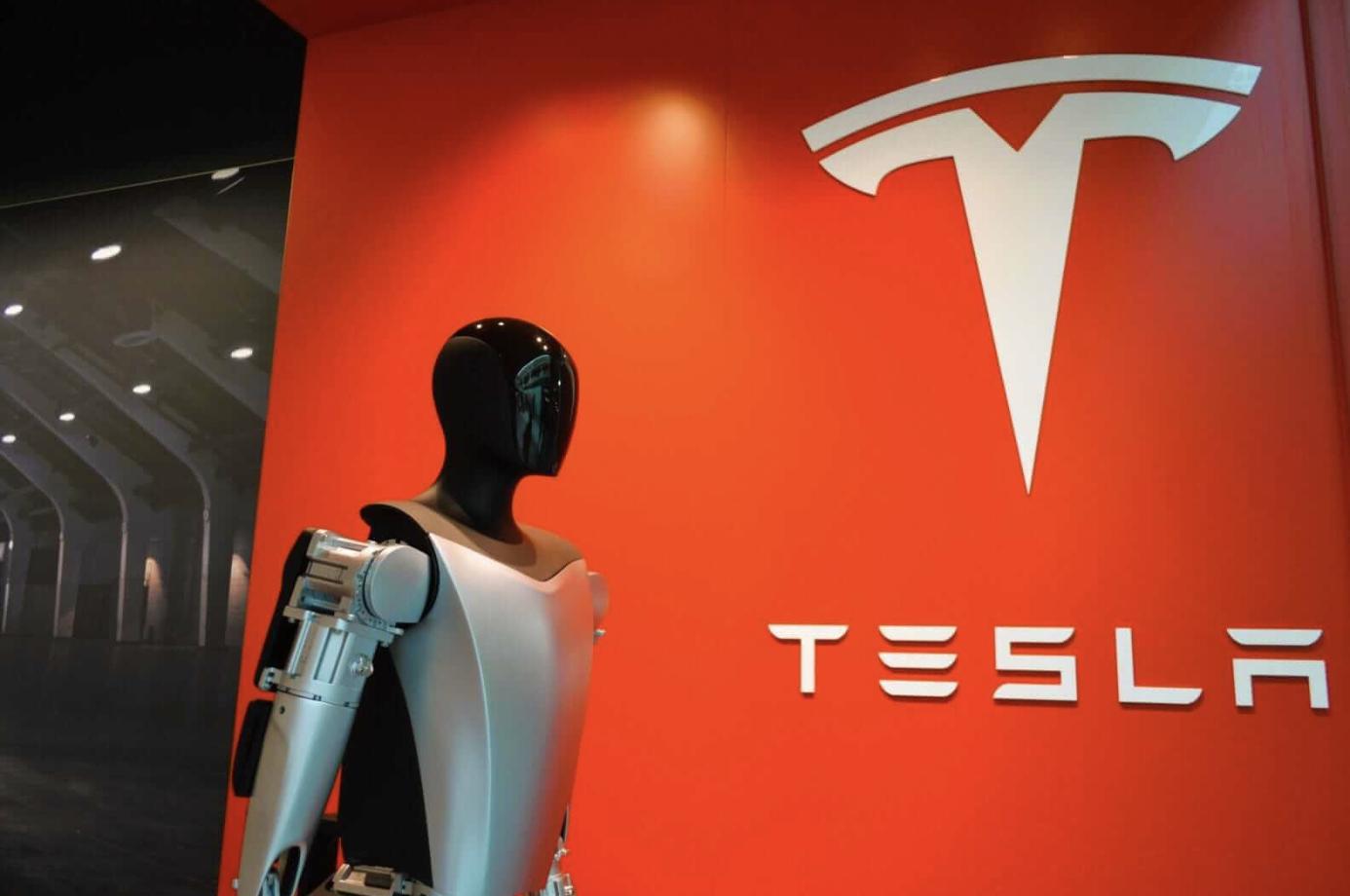
Table of Contents
Tesla Transforms Into a Software and AI Platform
Tesla is increasingly positioning itself as an AI and software company whose vehicles function as connected computing platforms rather than standalone products. Strong second-quarter deliveries across the Americas, Asia-Pacific, and Europe reinforce that strategy, while the company's largest order backlog since 2023 suggests continued customer demand despite battery and component supply constraints.
Invest in top private AI companies before IPO, via a Swiss platform:
Swiss Securities | Invest in Pre-IPO AI Companies
Own a piece of OpenAI, Anthropic & the companies changing the world. Swiss-regulated investment platform for qualified investors. Access pre-IPO AI shares through Swiss ISIN certificates.
 SmartProfit Finder AG
Each vehicle sold becomes part of a broader ecosystem extending beyond automotive manufacturing. Customers gain access to software subscriptions, charging services, insurance, and, potentially, autonomous mobility services. Vehicle deliveries therefore represent the beginning of a longer customer relationship that can generate recurring revenue well beyond the initial purchase.
Full Self-Driving Becomes the Core Product
Approximately 55% of North American deliveries included Full Self-Driving (FSD) at delivery, contributing to a global installed base of nearly 1.5 million paying customers. Tesla is increasingly emphasizing subscription adoption rather than one-time software purchases, lowering the initial cost for customers while creating a more predictable stream of recurring revenue.
This strategy also changes the economics of the business. Unlike vehicle sales, software subscriptions typically generate recurring income with comparatively lower incremental delivery costs. As regulatory approvals expand into additional markets, Tesla can increase the lifetime value of each vehicle by continuing to monetize software throughout its ownership cycle rather than relying solely on the original sale.
Margins Reveal the Cost of Growth
Automotive gross margin, excluding regulatory credits, declined to 16.3% as higher commodity prices, financing costs, and the absence of earlier warranty and tariff benefits weighed on profitability. Energy storage deployments reached 13.5 gigawatt-hours, although energy gross margin fell to 20.4% because of warranty-related costs and competitive pricing.
An important exception was the service segment, where gross margin reached a record 14.1%. This highlights the growing importance of Tesla's broader ecosystem as recurring services gradually complement the more cyclical economics of vehicle manufacturing. While current margins reflect continued investment and external cost pressures, they also illustrate the company's transition toward a more diversified business model.
Robotaxi Targets the Mobility Network Prize
Tesla's Robotaxi strategy aims to shift from selling vehicles to operating a transportation network in which autonomous cars generate revenue continuously rather than remaining idle for most of the day. The company has accumulated unsupervised driving miles across multiple U.S. cities while steadily expanding testing as system reliability improves.
Management describes this process as the "march of nines"—the gradual improvement of reliability through increasingly lower failure rates. Even small gains in system reliability can significantly expand where autonomous vehicles may operate safely and commercially. If successful, a Robotaxi network could increase the economic value of every vehicle by generating recurring transportation revenue throughout its operating life.
Optimus, AI Chips, and Bold Capital Spending
Tesla expects capital spending to exceed $25 billion in 2026 as it continues investing across robotics, artificial intelligence, and computing infrastructure. Optimus, the company's humanoid robot, is being trained using factory demonstrations, worker interactions, and video data while relying on AI techniques closely related to those developed for autonomous driving.
These initiatives reinforce one another. Progress in AI developed for autonomous vehicles can also improve humanoid robotics, while investments in custom semiconductor development and computing infrastructure strengthen both businesses simultaneously. Rather than pursuing separate technology programs, Tesla is building a common AI and computing platform intended to support transportation, robotics, and energy products over the long term.
Tesla Q2 Earnings Call Highlights
Tesla (NASDAQ:TSLA) executives used the company’s second-quarter 2026 earnings webcast to highlight record quarterly deliveries, rising interest in Full Self-Driving, rapid energy storage growth and a major multiyear capital spending cycle tied to autonomy, robotics, semiconductor capacity and manuf
 MarketBeat